


Vintage Track: Billy Gault “Mode For Trane”
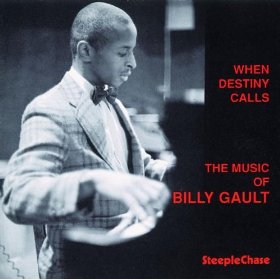
On March 25, UK imprint Jazzman Records released the fourth installment of its Spiritual Jazz compilation series. Volume 4 focuses on performances of American artists while playing abroad. It’s a much more accessible batch of tunes than the meditative, modal and religious jazz that comprised Volume 3. The latest release features an eclectic cast of heavy hitters ranging from Sun Ra to Albert Ayler to Sahib Shihab.
One highlight from the collection that caught my ear was “Mode for Trane” by pianist Billy Gault. The track was culled from Gault’s lone solo LP in 1975’s When Destiny Calls. The album was originally released on Denmark’s SteepleChase Records, before Inner City Records handled U.S. distribution the following year. Info on Gault beyond When Destiny Calls is limited, although I found several bits of info online that suggest he changed his name to Kalim Zarif and has enjoyed a long career both teaching and performing jazz.
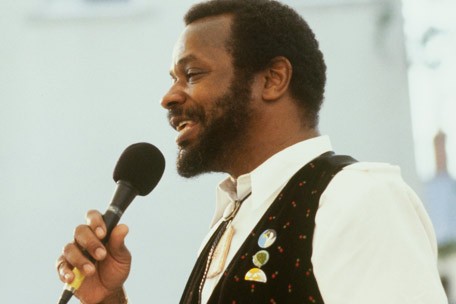
Joe Lee Wilson and Ellen DeLeston handle the vocal work on “Mode for Trane.” Wilson’s career as a baritone, though rarely celebrated outside circles of jazz aficionados, is more widely known than Gault’s. Part African American and part Creek Native American, Wilson was born to farming parents in Bristow, OK before leaving home at 15 to pursue a career in music. Wilson is perhaps best known for his collaboration with saxophonist Archie Shepp on albums like Things Have Got to Change and A Touch of the Blues. Wilson’s storied career is covered brilliantly in a 2011 obituary from The Guardian. Listen to “Mode for Trane” below and grab your copy of Spiritual Jazz 4 from Jazzman Records.
Written by Rob Peoni
Vintage Track: Faye Adams “The Hammer”
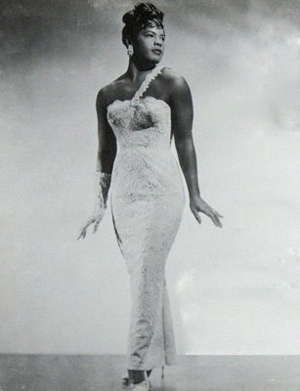
New Jersey native Faye Adams had a string of R&B hits in the early-to-mid 1950s. Born in 1923 as Fay Tuell, she began her career at age five alongside her two older siblings as the Tuell Sisters gospel group, regularly appearing on Newark radio broadcasts. She became a staple of the NYC nightclub circuit after marrying Tommy Scruggs in 1942. However, it wasn’t until legendary R&B songstress Ruth Brown spotted Fay during a performance in Atlanta, nearly a decade later, that the singer earned an audition and was subsequently signed to Herald Records.
Under her new stage name Faye Adams, the singer quickly found success fronting the band of labelmate Joe Morris. In 1953, the group released a pair of singles that reached number one on the U.S. R&B charts: “Shake A Hand” and “I’ll Be True.” The former would be Adams’s biggest hit, sitting atop the charts for eight weeks. She continued to have moderate success both as a solo performer and with Morris’ band over the next couple of years. By January of 1955, Adams had sold more than 2 million records for Herald.
By the end of the decade, the public’s demand had shifted from traditional R&B to the rock n’ roll stylings of Elvis and his African American predecessors. As a result, Adams gave up the game and headed back to New Jersey to focus on family, rediscovering her gospel roots. Adams earned a Pioneer Award from the Rhythm & Blues Foundation in 1998 for her contribution to the genre.
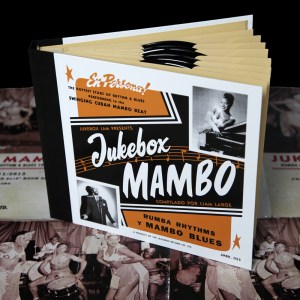
Her single “The Hammer” has been included in a terrific new compilation called Jukebox Mambo. The compilation is available in a stunning book featuring six, 10″ vinyls on Jazzman Records. Jukebox Mambo is available on CD and digital download for the non-vinyl enthusiast. “The Hammer” was originally released in 1956 as the b-side to “Anytime, Any Place, Anywhere.” The track is bookended by Adams’s haunting howls, with the band working itself up to a confident saunter in between. Listen to the track and check out the packaging for Jukebox Mambo below.
Connect with Jazzman Records via Facebook | Twitter
Written by Rob Peoni
Vintage Track: Binder Quintet ft. John Tchicai “Vasvirag”
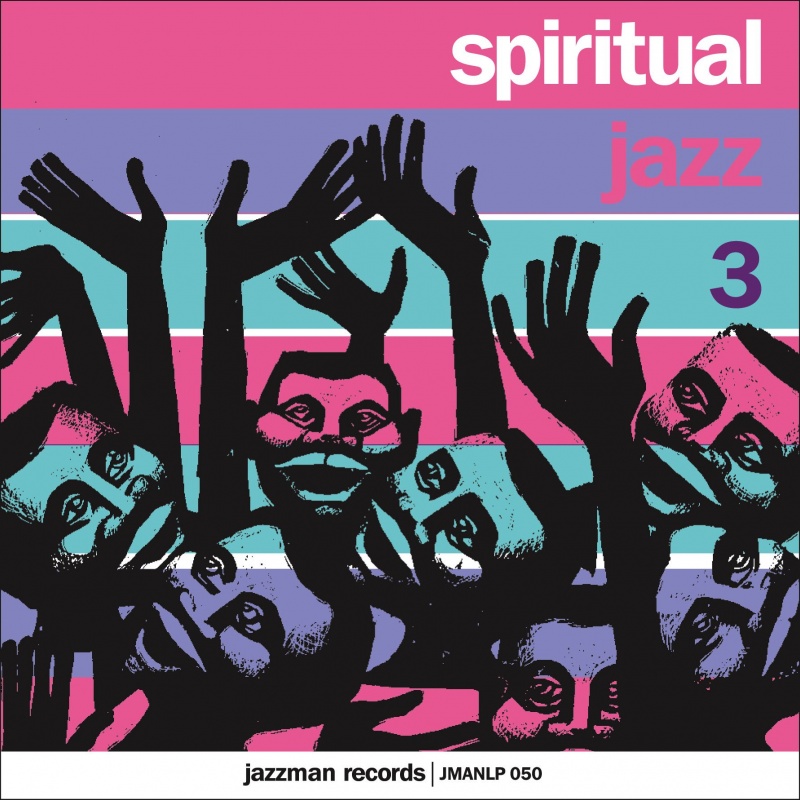
The Binder Quintet was a Hungarian jazz ensemble whose lone celebrated work came in the pressing of their 1983 radio broadcast with alto saxophonist John Tchicai. The group’s style blended native folk influences with American free jazz of the late 1950s. Their recording of “Vasvirag” has been included in Volume 3 of the Spiritual Jazz series on London’s Jazzman Records. According to a suspect online translator vasvirag is Hungarian for “old maid.” However, there is nothing stale or outdated about the play of the musicians at hand.
Discogs credits Károly Friedrich and Mihály Dresch with the dueling, dissonant harmonicas heard at the outset of the song. Their play recedes to make way for a driving undertone on upright bass and piano. Overhead Tchicai inserts broken, muffled notes on alto sax, at times taking on an animalistic tone. His play creates a visceral tension in the music that is only heightened by the primal howl and guttural growl featured in the background of the song’s latter half. Spiritual Jazz 3 is set for release on CD and vinyl on September 3.
Connect with Jazzman Records via Facebook | Twitter
Written by Rob Peoni
 Thought on Tracks